How to Identify and Treat Androgenetic Alopecia in Women: A Comprehensive Guide to Diagnosis and Treatment Options
By Tricho™GlowCap | Published: 2026-06-26
Category: How-to Guides
Learn how to identify female pattern baldness, understand its causes, and explore effective treatments including minoxidil and red light therapy for hair regrowth.
Androgenetic alopecia, commonly known as female pattern baldness, affects millions of women worldwide, yet it often goes undiagnosed or is dismissed as temporary shedding. Unlike men, women with this condition typically experience diffuse thinning over the crown and top of the scalp rather than a receding hairline. Understanding the signs, underlying causes, and available treatments is crucial for managing hair loss and promoting regrowth. In this comprehensive guide, we’ll walk you through how to identify androgenetic alopecia in women, the diagnostic process, and the most effective treatment options—from topical solutions to advanced light therapy.
What Is Androgenetic Alopecia in Women?
Androgenetic alopecia is a genetically determined, hormone-driven form of hair loss. In women, it is often referred to as female pattern hair loss (FPHL). The condition results from the gradual miniaturization of hair follicles due to sensitivity to androgens (male hormones like dihydrotestosterone, or DHT). Over time, affected follicles produce thinner, shorter hairs until they eventually stop growing altogether. Unlike telogen effluvium (stress-related shedding), androgenetic alopecia is progressive and chronic.
Key Statistics
- Affects approximately 30 million women in the United States alone.
- Up to 40% of women experience noticeable hair thinning by age 50.
- It can begin as early as the teenage years, though onset is most common after menopause.
How to Identify Female Pattern Baldness: Signs and Symptoms
Recognizing the early signs of androgenetic alopecia can lead to earlier intervention and better outcomes. Unlike male pattern baldness, women rarely experience complete baldness. Instead, the hallmark pattern is diffuse thinning on the crown and frontal scalp, often with preservation of the frontal hairline.
Common Signs
- Widening part line: A classic early indicator—the part becomes noticeably wider, especially toward the front.
- Increased shedding: While not always present, some women notice more hair in their brush or shower drain.
- Miniaturized hairs: Fine, short hairs appear along the part and crown, replacing thicker terminal hairs.
- Scalp visibility: The scalp becomes more visible through the hair, especially under bright light.
- Preserved hairline: Unlike men, women usually retain their frontal hairline, though it may become less dense.
Differentiating from Other Hair Loss Types
| Condition | Pattern | Onset | Key Feature |
|---|---|---|---|
| Androgenetic alopecia (FPHL) | Diffuse crown thinning, part widening | Gradual, over years | Miniaturized hairs, family history |
| Telogen effluvium | Generalized shedding | Sudden (2-3 months after trigger) | Trigger event (stress, illness, medication) |
| Alopecia areata | Patchy, circular bald spots | Sudden | Autoimmune, may affect nails |
| Frontal fibrosing alopecia | Receding hairline, eyebrow loss | Gradual | Scarring, inflammation |
Diagnosing Androgenetic Alopecia in Women
If you suspect female pattern hair loss, a proper diagnosis is essential. While self-assessment can be helpful, a dermatologist or trichologist can provide a definitive diagnosis. The diagnostic process typically includes:
- Medical history: Review of family history, menstrual cycle, medications, and any recent stressors.
- Scalp examination: Visual inspection using a dermatoscope to check for miniaturized hairs and scalp health.
- Pull test: Gentle tugging on a small section of hair to assess shedding severity.
- Blood tests: To rule out underlying conditions like thyroid disorders, iron deficiency anemia, or hormonal imbalances.
- Scalp biopsy: In ambiguous cases, a small sample may be analyzed to confirm the diagnosis.
Early diagnosis is key. The earlier treatment begins, the more hair follicles can be saved and stimulated to regrow.
Treatment Options for Female Pattern Hair Loss
Fortunately, there are several effective treatments for androgenetic alopecia in women. A multimodal approach often yields the best results. Below, we explore the most evidence-based options.
1. Topical Minoxidil
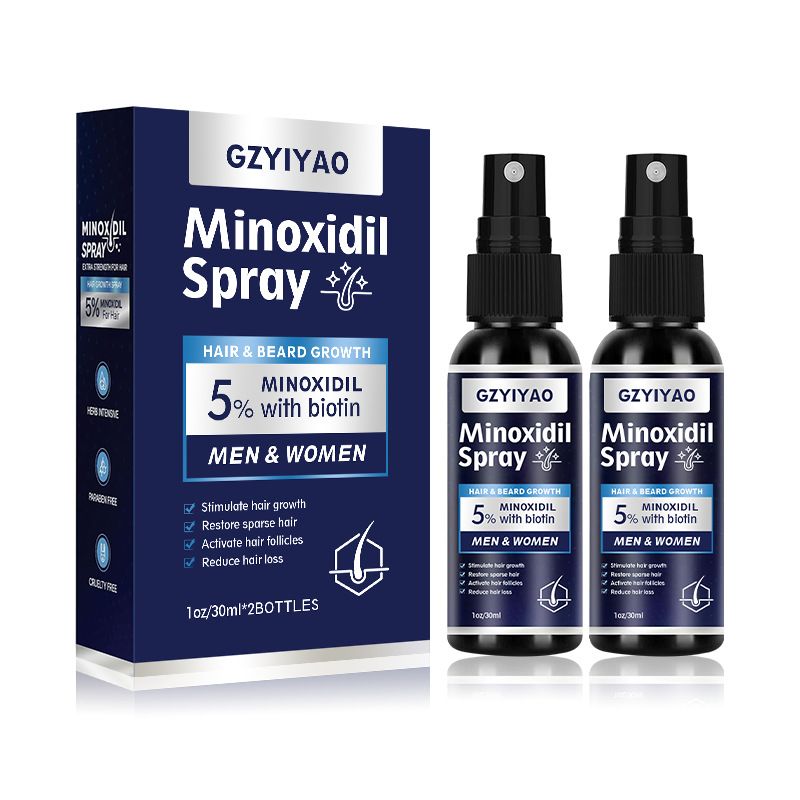
Minoxidil remains the gold standard first-line treatment for female pattern hair loss. It works by prolonging the anagen (growth) phase of the hair cycle and increasing blood flow to the follicles. Available in 2% and 5% concentrations, the 5% strength is now commonly recommended for women. Consistency is crucial: daily application is required, and results typically become visible after 3-6 months.
For targeted application, the Minoxidil Targeted Hair Root Dropper & Scalp Revitalizing Essence delivers the active ingredient directly to the roots, maximizing absorption while minimizing waste. Alternatively, the Minoxidil Follicle Energizing & Hair Densifying Essence Spray offers a convenient spray format for even coverage across the scalp.
2. Red Light Therapy
Red light therapy (also known as low-level laser therapy or photobiomodulation) is a non-invasive, drug-free treatment that stimulates hair follicles at the cellular level. It uses specific wavelengths of red and near-infrared light to increase mitochondrial activity, improve circulation, and reduce inflammation in the scalp. Multiple studies have shown it can increase hair density and thickness in women with androgenetic alopecia.
The Tricho™GlowCap - Red Light Therapy Regrowth Cap is designed for at-home use, allowing you to incorporate treatments into your daily routine. Worn for just 20-30 minutes per session, it delivers therapeutic light directly to the scalp without the inconvenience of clinic visits. Pairing red light therapy with topical minoxidil can enhance overall results.
3. Anti-Androgen Medications
For women with elevated androgen levels or who do not respond adequately to minoxidil, anti-androgen medications may be prescribed. Spironolactone is the most common option. It blocks androgen receptors and reduces testosterone production. Finasteride is sometimes used off-label, though it is not FDA-approved for women of childbearing age due to risks during pregnancy. Always consult a healthcare provider before starting these medications.
4. Nutritional Support and Lifestyle Modifications
While diet alone cannot reverse androgenetic alopecia, ensuring adequate intake of key nutrients supports overall hair health. Iron, zinc, vitamin D, and biotin are particularly important. A balanced diet rich in protein, healthy fats, and antioxidants can help create an optimal environment for hair growth. Additionally, managing stress through mindfulness, yoga, or exercise can reduce the impact of cortisol on the hair cycle.
5. Scalp Care and Maintenance
Healthy scalp skin is the foundation for healthy hair growth. Regular cleansing with a gentle, sulfate-free shampoo helps maintain a balanced microbiome. The TrichoGlow Shampoo is formulated with nourishing ingredients that support scalp health without stripping natural oils. Using a soft silicone scalp scrubber during shampooing can improve circulation and help dislodge buildup. The TrichoGlow Scalp Scrubber is an excellent tool for this purpose.
6. Advanced Procedures
For women with advanced hair loss, procedures like platelet-rich plasma (PRP) therapy, microneedling, or hair transplantation may be considered. PRP involves injecting concentrated platelets from your own blood into the scalp to stimulate growth. Microneedling creates micro-injuries that trigger healing and growth factors. These options are typically reserved for those who have tried first-line treatments without satisfactory results.
Building a Comprehensive Treatment Plan
Because androgenetic alopecia is a chronic condition, a long-term maintenance strategy is essential. Most treatments require ongoing use to sustain results. Here’s a sample daily routine:
- Morning: Apply minoxidil (e.g., essence spray) to clean, dry scalp.
- Evening: Use red light therapy cap for 20-30 minutes. Follow with a nourishing hair serum if desired.
- Weekly: Exfoliate scalp with a scrubber and gentle shampoo.
- Ongoing: Maintain balanced nutrition, manage stress, and follow up with a dermatologist every 6-12 months.
Conclusion: Take Control of Your Hair Health
Androgenetic alopecia in women is a common yet treatable condition. Identifying it early and taking a proactive, multi-pronged approach can significantly improve hair density and confidence. From topical minoxidil to cutting-edge red light therapy, the options available today are more effective than ever. Remember, consistency is the most important factor—no treatment works overnight, but with dedication, you can see meaningful results over time.
If you’re ready to start your hair regrowth journey, explore the Tricho™GlowCap - Red Light Therapy Regrowth Cap to see how easy it is to incorporate advanced photobiomodulation into your daily routine. Combine it with a targeted minoxidil product for a powerful, science-backed treatment plan tailored to female pattern hair loss.