How to Interpret Hair Shedding During Treatment: When to Worry and When to Push Through
By Tricho™GlowCap | Published: 2026-06-30
Category: How-to Guides
Learn to distinguish between normal dread shed during minoxidil or red light therapy and problematic hair loss. Understand shedding phases, duration, and progress signs.
Starting a new hair growth treatment is an act of hope. You’ve done the research, chosen your products, and committed to a routine. Then, a few weeks in, you notice more hair in your brush, in the shower drain, or on your pillow. Panic sets in. Is the treatment working—or making things worse? This phenomenon, often called hair shedding during treatment or dread shed, is one of the most confusing and emotionally challenging phases of any hair restoration journey. Understanding what is happening, why it happens, and when to push through versus when to consult a professional can make all the difference between abandoning a promising protocol and achieving long-term success.
In this guide, we’ll break down the science behind treatment-induced shedding, how it applies to minoxidil, red light therapy, and other modalities, and exactly what signs indicate progress versus a problem. You’ll learn how to track your shedding, when to expect the process to stabilize, and how to support your scalp through the transition.
What Is Dread Shed? The Science Behind Temporary Shedding
Dread shed is not a medical term but a colloquial name for the temporary increase in hair loss that occurs shortly after beginning certain hair growth treatments—most commonly minoxidil. The phenomenon is rooted in the hair growth cycle. Each hair follicle cycles through three phases: anagen (growth), catagen (transition), and telogen (resting). At any given time, about 85–90% of your hairs are in anagen, while 10–15% are in telogen and preparing to shed.
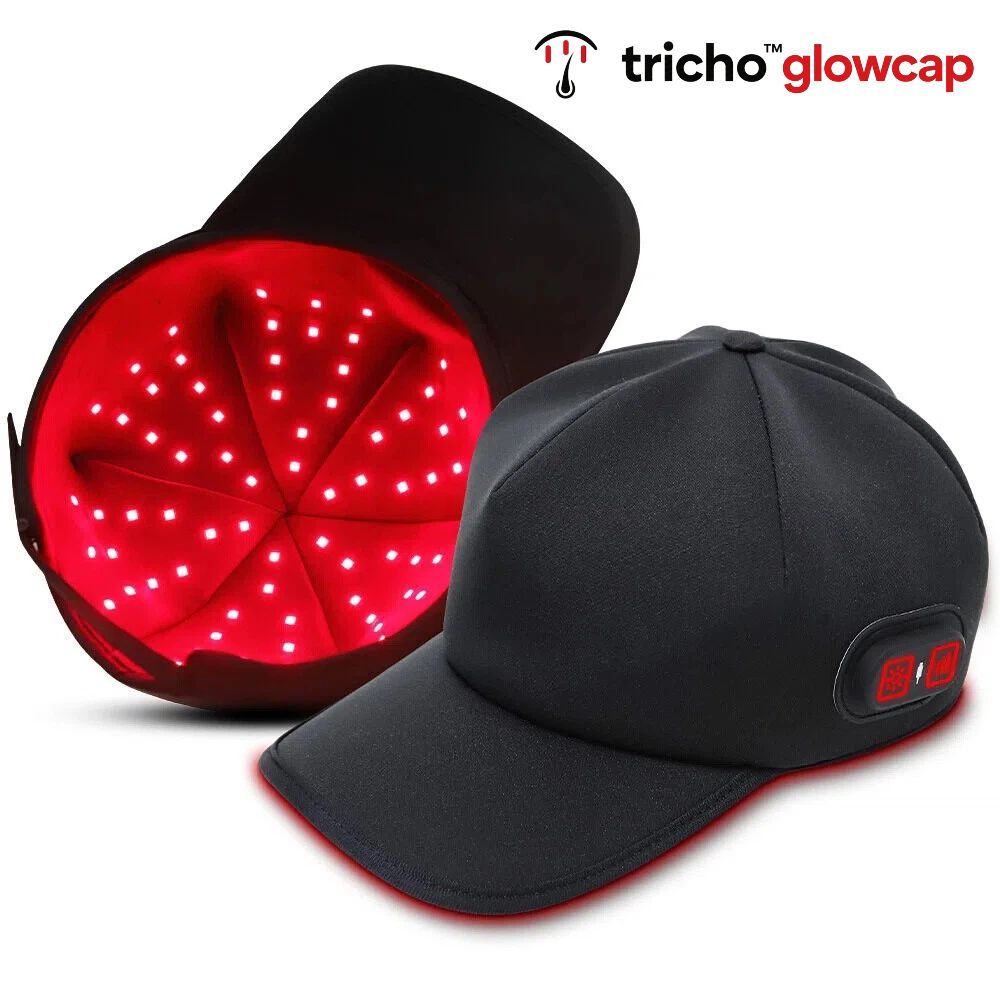
Minoxidil works by shortening the telogen phase and forcing dormant follicles back into anagen. As new, stronger hairs push upward, the old telogen hairs are dislodged and fall out. This synchronized shedding is a sign that the medication is actively stimulating your follicles. The same principle can apply to red light therapy shedding, though the mechanism is slightly different. Red light therapy, including devices like the Tricho™GlowCap - Red Light Therapy Regrowth Cap, uses specific wavelengths (typically 630–660 nm and 810–850 nm) to energize mitochondria in hair follicle cells, increasing ATP production and blood flow. This metabolic boost can accelerate the natural hair cycle, prompting a similar shedding phase as follicles reset.

In both cases, the shedding is temporary and should resolve within 4–8 weeks. The key is distinguishing this normal physiological response from actual treatment failure or an underlying condition.
Minoxidil Shedding Phase Duration: What to Expect
For those using topical or oral minoxidil, the minoxidil shedding phase duration typically begins 2–6 weeks after starting treatment and lasts 2–6 weeks. Some users experience a more prolonged shedding for up to 12 weeks, but this is less common. The shedding is usually most noticeable in the first month, then gradually tapers off.
It is important to understand that the intensity of shedding can vary based on several factors:
- Dosage: Higher concentrations (e.g., 5% vs. 2%) may trigger more pronounced shedding.
- Baseline hair density: People with more hair to lose may shed more visibly.
- Consistency: Missing doses can disrupt the cycle and prolong shedding.
A common question is: when does minoxidil shedding stop? For most users, shedding stops completely by week 8–12, and new growth becomes visible around months 3–6. If shedding continues beyond 12 weeks without any signs of new growth, or if you experience patchy bald spots, redness, or itching, consult a dermatologist. This could indicate an allergic reaction, contact dermatitis, or that minoxidil is not effective for your type of hair loss.
To support your scalp during this phase, consider using gentle, nourishing products. The TrichoGlow Shampoo is formulated with mild cleansers and scalp-friendly ingredients that won't strip natural oils or irritate a sensitized scalp, making it an ideal companion during the shedding period.

Red Light Therapy Shedding: A Different but Similar Story
Red light therapy is generally considered a low-risk, non-invasive treatment with minimal side effects. However, some users report a temporary increase in shedding during the first few weeks of consistent use. This is less common than with minoxidil, but it can occur, particularly if you are combining red light with other treatments.
The mechanism for red light therapy shedding is believed to be similar—stimulating follicles to exit telogen and enter anagen, causing older hairs to fall out. However, because red light therapy does not involve drugs or chemical agents, the shedding is usually milder and shorter in duration. Most users who experience it find it resolves within 2–4 weeks.
It is also possible that shedding during red light therapy is coincidental and unrelated to the device. Many people start red light treatment exactly when their hair loss is most active (e.g., during seasonal shedding or stress-induced telogen effluvium). Tracking your shedding patterns before and after starting therapy is crucial for accurate interpretation.
For a comprehensive approach, you might combine the TrichoGlow Hair Serum with your red light sessions. The serum’s active ingredients can complement the photobiomodulation effects, potentially reducing the duration of the shedding phase and supporting faster regrowth.
How to Track Hair Shedding During Treatment: A Practical Guide
Objective tracking is your best tool for distinguishing normal shedding from problematic loss. Emotional perception can be misleading—what feels like massive loss may be within normal limits. Here’s how to track effectively:
1. The Comb Test (Weekly)
Choose one time per week—say, Sunday morning before washing—to comb your hair over a white towel. Count the number of hairs collected. Do the same each week. A healthy person with medium-length hair typically loses 50–100 hairs daily. During shedding phase, you might see 150–250 hairs. If the count exceeds 300–400 consistently, or if you see large clumps, flag it.
2. The Pull Test (Monthly)
Grasp a small section of hair (about 40–60 strands) between your thumb and index finger. Gently pull from the root to the tip. If more than 3–4 hairs come out easily, you have active shedding. Perform this in 3 different scalp areas. Record results.
3. Photographs (Every 2 Weeks)
Take standardized photos of the same scalp areas (crown, temples, part line) under the same lighting and angle. Compare every 2–4 weeks. This is the most reliable way to see if shedding is leading to visible thinning or if regrowth is appearing.
4. Shedding Diary
Note date, shower hair count, comb test results, and any changes in treatment routine. Over 8 weeks, patterns emerge. If shedding decreases by week 6–8 and new growth appears by week 12, you are on track.
When to Worry: Red Flags That Require Professional Attention
While most treatment-induced shedding is benign, certain signs warrant a call to your dermatologist:
- Shedding that worsens beyond week 12 without any stabilization or improvement.
- Patchy or asymmetrical hair loss—this could suggest alopecia areata or a scarring alopecia.
- Scalp pain, burning, or itching—particularly with minoxidil, this could indicate allergic contact dermatitis.
- Sudden, massive shedding (e.g., handfuls of hair in the shower) that coincides with starting a new medication, illness, or major stress—this may be telogen effluvium unrelated to your hair treatment.
- No regrowth by month 6 despite consistent use of an evidence-based treatment like minoxidil or red light therapy.
If you experience any of these, pause your treatment and seek medical advice. However, for the vast majority, the shedding phase is a sign that your treatment is working—a necessary step on the path to thicker, healthier hair.
How to Support Your Scalp Through the Shedding Phase
During the shedding period, your scalp may be more sensitive and vulnerable. Here are strategies to minimize discomfort and optimize the environment for new growth:
- Gentle cleansing: Use a sulfate-free, soothing shampoo like the TrichoGlow Shampoo to avoid irritation.
- Scalp massage: Use a TrichoGlow Scalp Scrubber to boost circulation gently without pulling on fragile hairs.
- Reduce heat styling: High heat can stress already weakened follicles. Let hair air-dry when possible.
- Nutritional support: Ensure adequate protein, iron, zinc, and vitamin D. A deficiency can exacerbate shedding.
- Stress management: Cortisol spikes can prolong shedding. Prioritize sleep, exercise, and relaxation.
- Protective styling: Avoid tight ponytails, braids, or buns that can cause traction alopecia.
The Emotional Side of Shedding: Staying the Course
Hair shedding is not just a physical event—it carries emotional weight. Many people, especially women, tie their identity and confidence to their hair. Watching strands accumulate can feel like a betrayal, even when you know intellectually it’s a good sign. It’s normal to feel anxious, frustrated, or tempted to quit.
Remember: the shedding phase is temporary, and it is a prerequisite for the regrowth phase. Think of it as clearing the ground before planting new seeds. If you stop treatment mid-shed, you may lose the progress you’ve already made and have to start over later. Consistency is the single most important factor for success.
If you need extra encouragement, join online communities or speak with a dermatologist who specializes in hair loss. Seeing others’ before-and-after photos can help you visualize the endpoint.
Conclusion: Trust the Process, Track the Data
Interpreting hair shedding during treatment requires both knowledge and patience. The minoxidil shedding phase duration is typically 2–8 weeks, while red light therapy shedding is usually milder and shorter. By objectively tracking your shedding, recognizing red flags, and supporting your scalp with gentle care, you can navigate this phase with confidence. Most importantly, push through—unless you see clear evidence of a problem described above. The regrowth on the other side is worth the temporary worry.
Ready to support your shedding phase with science-backed tools? Explore the TrichoGlow Hair Serum to complement your treatment and help accelerate the transition from shedding to thriving hair.