How to Identify and Treat Seasonal Allergies That Trigger Scalp Inflammation and Hair Shedding
By Tricho™GlowCap | Published: 2026-07-01
Category: How-to Guides
Learn how seasonal allergies can cause scalp inflammation and hair shedding. Discover signs, triggers, and effective treatments including antihistamines, scalp care routines, and red light therapy to protect your hair.
Seasonal allergies are a common nuisance, bringing sneezing, itchy eyes, and congestion. But for many, the discomfort doesn't stop there. An often overlooked symptom of allergic rhinitis is scalp inflammation, which can lead to increased hair shedding. If you've noticed more hair in your brush during spring or fall, your immune system's reaction to pollen might be the culprit.
This guide will help you understand the connection between seasonal allergies, scalp inflammation, and hair shedding. You'll learn how to identify the signs, what triggers these reactions, and most importantly, how to treat and prevent allergy-related hair loss with a targeted scalp care routine, including products like the TrichoGlow Sleeping Cap and TrichoGlow Scalp Scrubber.
The Link Between Seasonal Allergies and Hair Shedding
Seasonal allergies occur when your immune system overreacts to airborne substances like pollen, ragweed, or mold. This triggers the release of histamine, a chemical that causes inflammation and swelling in various tissues, including the scalp. When the scalp becomes inflamed, it can disrupt the normal hair growth cycle, pushing more hair follicles into the shedding (telogen) phase prematurely.
This condition, known as telogen effluvium, is a temporary but distressing form of hair loss. It typically occurs two to three months after the allergy season peaks. The inflammation also can directly damage hair follicles, impairing their ability to produce strong, healthy hair. Recognizing this connection is the first step toward effective treatment and prevention.
- Histamine release from allergies can cause scalp itching, redness, and flaking.
- Chronic inflammation may weaken hair follicles, leading to increased shedding.
- Hair loss often becomes noticeable weeks after peak allergy season, making it hard to connect to the original trigger.
Common Signs of Allergy-Induced Scalp Inflammation
Not all scalp discomfort is due to dandruff or product buildup. Allergy-related scalp inflammation has distinct symptoms. You may notice persistent itching that worsens when you are outdoors or in dusty environments. The scalp can feel tender, warm, or appear red. Some people experience a burning sensation or develop small bumps or hives on the scalp.
Another key sign is increased hair shedding, often accompanied by a change in hair texture. If you have seasonal allergies and notice these symptoms, your scalp is likely reacting to allergens. It is important to differentiate this from other conditions like seborrheic dermatitis or psoriasis, which require different treatments. Keeping a symptom diary can help track triggers and patterns.
- Persistent scalp itching, especially during high pollen counts.
- Redness, tenderness, or a burning sensation on the scalp.
- Noticeable increase in hair shedding, often with a delay of weeks after allergy exposure.
How Allergic Reactions Trigger Hair Loss
When allergens enter your body, your immune system releases histamine and other inflammatory mediators. These chemicals cause blood vessels to dilate and become leaky, leading to swelling and inflammation. On the scalp, this can restrict blood flow to hair follicles, depriving them of oxygen and nutrients needed for growth.
Additionally, the constant scratching or rubbing of an itchy scalp can physically damage hair shafts and follicles, leading to breakage and temporary hair loss. In severe cases, chronic inflammation can trigger an autoimmune response that attacks hair follicles, though this is less common. Understanding these mechanisms underscores the importance of managing both the allergic response and the scalp environment.
- Histamine causes scalp blood vessels to dilate, reducing nutrient delivery to follicles.
- Scratching an itchy scalp can cause mechanical damage and hair breakage.
- Chronic inflammation may disrupt the hair growth cycle, leading to prolonged shedding.
Identifying Your Personal Allergy Triggers
The first step in managing allergy-related scalp issues is identifying your specific triggers. Common culprits include tree pollen in spring, grass pollen in summer, and ragweed in fall. Indoor allergens like dust mites, mold, and pet dander can also cause year-round symptoms. Pay attention to when your scalp symptoms flare up.
You can use online pollen trackers or keep a journal to correlate symptoms with environmental exposures. An allergist can perform skin or blood tests to confirm sensitivities. Once you know your triggers, you can take proactive steps to minimize exposure, such as keeping windows closed during high pollen days, using air purifiers, and showering after being outdoors.
- Track your scalp symptoms alongside local pollen counts to identify patterns.
- Consult an allergist for testing to pinpoint specific allergens.
- Reduce exposure by using HEPA filters, changing clothes after outdoor activities, and washing hair before bed.
Effective Treatments: Antihistamines and Scalp Care
Treating allergy-induced scalp inflammation and hair shedding requires a two-pronged approach: managing the allergic response and supporting scalp health. Antihistamines, both oral and topical, can reduce histamine levels and calm inflammation. Oral antihistamines like cetirizine or loratadine are widely used, but topical antihistamine sprays may be more targeted for scalp symptoms.
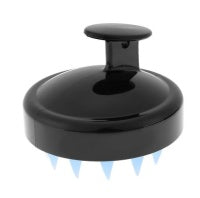
In addition to medication, a dedicated scalp care routine is crucial. Gentle cleansing with a soothing shampoo like TrichoGlow Shampoo can remove pollen and allergens without stripping natural oils. Using a TrichoGlow Scalp Scrubber during washing helps exfoliate dead skin cells and improve circulation, reducing inflammation and promoting a healthy environment for hair growth.
- Oral antihistamines can reduce systemic inflammation and scalp itching.
- Topical antihistamine sprays offer direct relief for the scalp.
- A gentle scalp care routine with anti-inflammatory ingredients supports healing.
The Role of Red Light Therapy in Soothing Scalp Inflammation
Red light therapy (RLT) is gaining attention as a non-invasive treatment for hair loss, and it may be particularly beneficial for allergy-related shedding. RLT uses specific wavelengths of red and near-infrared light to penetrate the scalp and stimulate cellular energy production. This can reduce inflammation, improve blood flow, and promote hair follicle regeneration.
Using a device like the TrichoGlow Sleeping Cap combines the benefits of red light therapy with the convenience of overnight use. The cap delivers therapeutic light while you sleep, helping to calm inflamed follicles and support the hair growth cycle. Regular use can mitigate the effects of seasonal allergies and create a healthier scalp environment.
- Red light therapy reduces inflammation and oxidative stress in the scalp.
- Improved blood circulation delivers more oxygen and nutrients to hair follicles.
- Consistent use can shorten the duration of allergy-induced telogen effluvium.
Building a Seasonal Scalp Care Routine
To protect your hair during allergy seasons, establish a proactive routine. Start by washing your hair daily or every other day with a gentle, sulfate-free shampoo to remove allergens. Follow with a lightweight conditioner to maintain moisture. Incorporate a scalp scrubber to gently exfoliate and stimulate circulation without causing irritation.
Consider adding a leave-in serum with anti-inflammatory ingredients like green tea or aloe vera. For nighttime protection, use a TrichoGlow Sleeping Cap to prevent friction and lock in moisture. If you use red light therapy, schedule sessions consistently, especially during peak allergy months. This comprehensive approach can minimize shedding and keep your scalp calm.
- Daily washing with a gentle shampoo removes pollen and allergens.
- Use a scalp scrubber to exfoliate and boost circulation without scratching.
- Protect your hair overnight with a silk or satin cap to reduce friction.
When to See a Dermatologist or Allergist
While many cases of allergy-related hair shedding resolve on their own with seasonal changes, persistent or severe symptoms warrant professional evaluation. If you experience significant hair loss, bald patches, or intense scalp pain, consult a dermatologist. They can rule out other causes like alopecia areata or fungal infections.
An allergist can help you develop a long-term management plan, including immunotherapy (allergy shots) that can reduce your sensitivity to triggers over time. Combining medical treatment with a solid scalp care routine offers the best chance for recovery and prevention of future episodes.
- Seek medical advice if hair loss is sudden, patchy, or accompanied by severe scalp pain.
- An allergist can offer immunotherapy to reduce allergic reactions long-term.
- A dermatologist can perform a scalp biopsy if the cause is unclear.
Seasonal allergies don't have to mean losing your hair. By identifying your triggers, managing inflammation with antihistamines, and adopting a targeted scalp care routine, you can minimize shedding and support healthy regrowth. Explore the TrichoGlow Sleeping Cap to add soothing red light therapy to your nightly routine and give your scalp the care it deserves during allergy season.